
Shopping for an older home in Asheville? Learn how to tell the difference between charming character and serious problems that need attention.
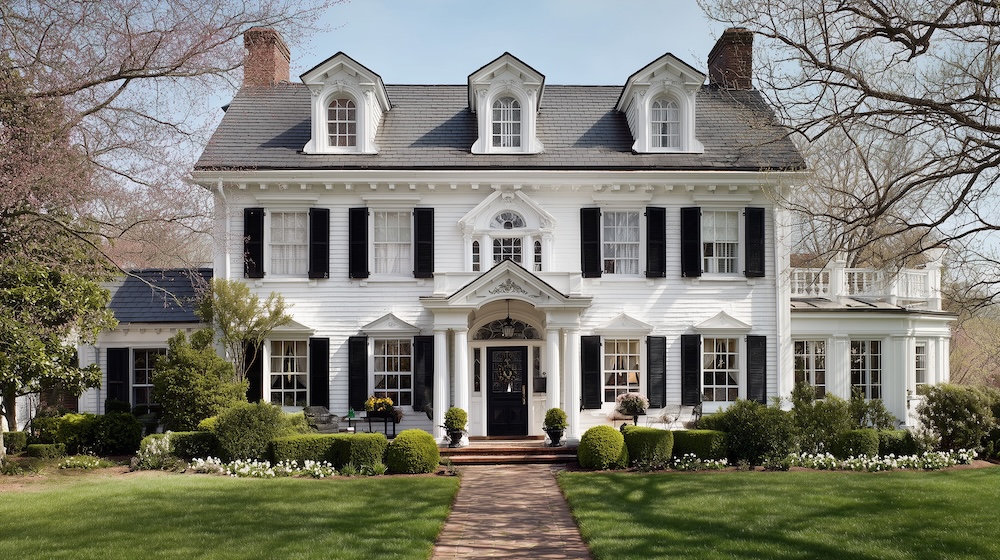
I inspect a lot of older homes in the Asheville area. And I mean a lot. Homes built in the 1920s, 40s, 60s – the kind with real hardwood floors, thick plaster walls, and architectural details you just don’t see in new construction.
These homes have something that new builds can’t replicate: character. But they also have something else – age. And with age comes wear, outdated systems, and sometimes, real problems.
Here’s how to tell the difference between quirky charm and legitimate concerns when you’re shopping for an older home.
Sloped Floors: Character or Concern?

Walk into almost any pre-1950s home in Asheville and you’ll notice the floors aren’t perfectly level. That’s normal.
Older homes settle over time. Floor joists dry out and compress. Foundations shift slightly. The result is floors that might slope a bit or feel slightly uneven underfoot.
Character: Minor sloping (a marble might roll slowly), consistent throughout the room, no cracks or separation in the walls, doors and windows still open and close normally.
Concern: Dramatic slopes (a marble rolls fast), areas that feel bouncy or spongy, visible cracks in walls above the slope, doors or windows that are racked and won’t close, or slopes that appear suddenly in one area.
The first scenario is just an old house being an old house. The second might indicate foundation issues, structural damage, or failing floor joists that need attention.
During an inspection, I’ll use a level to measure significant slopes and check the foundation and floor structure to determine if what you’re seeing is cosmetic settling or an active problem.
Knob and Tube Wiring: Deal-Breaker or Manageable?
Let’s talk about electrical systems, because this is where a lot of buyers panic unnecessarily (or don’t panic enough).
Many older homes were originally wired with knob and tube wiring – a system that was standard in the early 1900s. The wiring runs through ceramic knobs and tubes in the walls and attic.
The reality: Knob and tube wiring isn’t necessarily dangerous if it’s in good condition, hasn’t been modified, and isn’t overloaded. But that’s a lot of “ifs.”
The problem: Most knob and tube systems have been partially updated over the years. You’ll find modern outlets and fixtures connected to old wiring. There’s often no ground wire. Insulation has been added around wiring that was designed to dissipate heat in open air.
What I look for:
- Is the entire house still on knob and tube, or just portions?
- Has it been modified or spliced improperly?
- Is insulation covering the wiring?
- Are modern appliances pulling power through old wiring?
Bottom line: If I find knob and tube wiring, I’ll recommend having a licensed electrician evaluate it. Some insurance companies won’t insure homes with knob and tube. You might need to budget for rewiring – at least partially.
This isn’t necessarily a deal-breaker, but it’s something to factor into your offer and budget.
Old Windows: Charm or Energy Nightmare?

Original wood windows with wavy glass and true divided lights are beautiful. They’re also single-pane, drafty, and not energy efficient by modern standards.
Character: Original wood windows that have been maintained, open and close properly, aren’t rotted, and add to the home’s architectural integrity.
Problem: Windows that are rotted, painted shut, have broken panes, won’t stay open, or have severe air leaks.
Here’s my take: original windows in good condition can be weatherized, maintained, and even made more efficient with storm windows. They don’t have to be replaced.
But if you’re buying an older home with 20+ original windows, understand that:
- Your heating and cooling costs will be higher than a home with modern windows
- Maintenance is required – these windows need to be painted and maintained
- Eventually, you might choose to replace them (which can be expensive, especially if you want historically accurate replacements)
This is a personal preference decision. Some buyers love the original windows and factor in higher utilities. Others want to replace them immediately. Neither approach is wrong – it’s about knowing what you’re signing up for.
Plaster Walls: Beautiful or Problematic?
Older homes have real plaster walls, not drywall. Plaster is thick, dense, and has a quality feel that drywall can’t match. It’s also harder to work with and more expensive to repair.
Character: Solid plaster with minor hairline cracks (completely normal as plaster ages), smooth finish, maybe some texture or vintage wallpaper.
Concern: Large cracks, bulging or sagging areas, hollow-sounding sections, water damage stains, crumbling plaster.
Small cracks in plaster are normal and can be patched. But extensive damage might mean the plaster is failing and could need significant repair – or replacement with drywall, which changes the character of the home.
I’ll note plaster condition in the report and call out any areas that need attention. Budget for plaster repair if you’re buying an older home – it’s a specialized skill and costs more than patching drywall.
Outdated Systems That Still Work
Here’s where people get confused: just because a system is old doesn’t mean it’s broken.
I routinely inspect homes with:
- 30-year-old furnaces that still heat the house
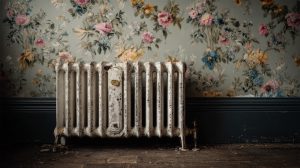
- Original cast iron radiators from the 1940s
- Water heaters from the early 2000s
- Galvanized plumbing that hasn’t been updated
If these systems are functional and not showing signs of imminent failure, they’re not problems – but they are aging systems you need to plan for.
What I tell buyers: “The furnace is 28 years old. The typical lifespan is 15-20 years. It’s working fine today, but it’s well past its expected life. Budget for replacement in the near term – it could be this year or next year, but probably not five years from now.”
This is useful information for planning, but it’s not a reason to panic or demand the seller replace a working system.
Foundation Work From Decades Ago
Many older homes have had foundation work done at some point – piers added, cracks repaired, sections reinforced.
Character: Old repairs that were done properly and have been stable for decades. Maybe some visible patching or signs of previous work, but no active movement.
Concern: Old repairs that are failing, new cracks appearing near old work, or signs that the foundation is still moving.
I look for:
- Are the old repairs holding?
- Is there new damage since the repairs?
- Are doors and windows still operating normally?
- Is the foundation currently stable?
Previous foundation work isn’t automatically bad news. Sometimes it means the problem was identified and fixed years ago. But I’ll evaluate whether those repairs are still effective or if there’s ongoing movement.
The “Vintage Charm” Premium
Here’s something to consider when you’re weighing an older home against newer construction: you’re often paying a premium for character and location.
Older homes in established Asheville neighborhoods offer:
- Walkable locations close to downtown
- Mature trees and established landscaping
- Unique architectural details
- Larger lots than modern subdivisions
- Neighborhood character
But they also require:
- Higher maintenance budgets
- Plans for system upgrades over time
- Tolerance for imperfection
- Appreciation for vintage features
If you love the character of older homes and you’re willing to maintain them, they’re wonderful. If you want something move-in ready with modern systems and no maintenance for the next decade, you probably want newer construction.
Neither choice is wrong – it’s about matching the home to your expectations and budget.
What I’m Really Looking For
When I inspect an older home, I’m not looking for it to meet 2025 building codes. That’s unrealistic and unfair to the house.
I’m looking for:
- Safety issues – electrical problems, structural failures, hazards
- Active problems – things that are currently failing or deteriorating
- Deferred maintenance – problems that will get worse if ignored
- System lifespans – helping you plan for future expenses
My job is to help you understand what you’re buying. An older home will have quirks. It might have outdated systems. It definitely won’t be perfect. But if it’s been maintained and the major systems are functional, those quirks are just part of owning a home with history.
Questions to Ask About Any Older Home
Before you make an offer on an older home, find out:
- When were the major systems last updated? (HVAC, electrical, plumbing, roof)
- Has there been any foundation work? Get documentation if possible.
- What’s the heating system? (Some older systems are expensive to run or maintain)
- Are the windows original? What’s their condition?
- Has there been any water intrusion or moisture issues?
Your agent can request this information from the seller. It helps me focus the inspection on the right areas, and it helps you know what you’re getting into.
The Bottom Line
Older homes aren’t for everyone, but they have a lot to offer if you go in with realistic expectations.
Some of my favorite inspections are the older homes where the current owner has maintained everything properly. The bones are solid, the character is intact, and the systems work – even if they’re not brand new.
Other times, I inspect older homes that have been neglected for decades. The character is still there, but so are serious problems that will require major investment.
The inspection helps you understand which type of older home you’re looking at. I’ll document the current condition of everything, explain what needs attention now versus later, and help you understand the true cost of ownership beyond the purchase price.
If you’re drawn to older homes for their character and location, don’t let the inspection report scare you off. Just make sure you’re going in with realistic expectations and a budget that accounts for the realities of owning an older property.