Home inspection reports can be overwhelming. Learn how to read your report, prioritize issues, and decide what to do next from an experienced Asheville home inspector.

You just got your home inspection report, opened the PDF, and saw that it’s 40+ pages long with dozens of photos and hundreds of observations.
Now what?
I get it – inspection reports can feel overwhelming at first, especially if this is your first home purchase. But here’s the truth: a long report isn’t a bad thing. It means I was thorough. It means I documented everything, including the minor stuff that’s easy to fix.
Let me walk you through how to actually read your report and what to do with the information.
Start with the Summary Section

Every report I send includes a summary at the beginning. This is where I list the items that actually matter – the safety concerns, the expensive repairs, and the things you should address sooner rather than later.
Read this section first. Everything else in the report provides detail and documentation, but the summary tells you what to focus on.
I organize issues by priority:
- Safety concerns – things that could cause injury or harm
- Major systems – expensive items like HVAC, roof, foundation issues
- Significant repairs – things that need attention but aren’t emergencies
- Maintenance items – routine stuff that every homeowner deals with
Don’t skip ahead to the detailed sections and start panicking about every little thing. Start with the summary. That’s what I’d focus on if I were buying the house.
Understand the Difference Between Problems and Observations
Here’s something that trips up a lot of buyers: not everything in the report is a “problem.”
I’m required to document the condition of every system in the home. That means I’m noting things like:
- “The water heater is 8 years old” (just a fact, not necessarily a problem)
- “Some paint is peeling on the exterior trim” (cosmetic, but should be maintained)
- “The bathroom exhaust fan is loud” (annoying, not dangerous)
These observations give you a complete picture of the home’s condition. They help you plan for future maintenance. But they’re not deal-breakers.
The actual problems – the ones that should concern you – are clearly identified in the summary and in each section of the report.
Photos Are Your Friend

I include photos for a reason. When I write “visible water staining on the ceiling in the master bedroom,” the photo shows you exactly where, how big, and what it looks like.
Use the photos to:
- Locate issues – you might not remember where everything is in the house
- Gauge severity – a photo shows you if we’re talking about a tiny crack or a major structural concern
- Show contractors – when you’re getting repair estimates, photos save you from trying to describe issues
- Reference later – after you close, you’ll have visual documentation of everything’s condition
The photos also help if you need to negotiate with the seller. It’s easier to discuss a repair when everyone can see exactly what we’re talking about.
Not Everything Needs to Be Fixed Before Closing
This is important: you don’t have to ask the seller to fix every item in the report.
Most home sales involve some negotiation after the inspection, but you need to be strategic about what you request. Focus on:
Ask the seller to address:
- Safety hazards (electrical issues, structural concerns)
- Major system failures (broken HVAC, roof leaks)
- Things that would be expensive for you to fix
Plan to handle yourself:
- Cosmetic items
- Minor repairs you can DIY
- Routine maintenance
- Personal preference upgrades
Your real estate agent can help you decide what’s reasonable to request based on the local market and the home’s price point. In a competitive market, you might not be able to ask for much. In a buyer’s market, you have more negotiating room.
Get Estimates for Big Items
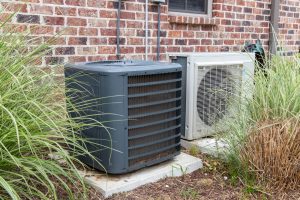
If the report identifies something expensive – like HVAC replacement, foundation repair, or a new roof – get actual estimates from licensed contractors before you negotiate with the seller.
I can tell you a system is near the end of its useful life or that a foundation crack needs monitoring. But I’m not a contractor, and I don’t provide cost estimates. You need real numbers.
When you contact contractors:
- Send them the relevant section of the inspection report
- Share the photos I included
- Ask for a written estimate with scope of work
- Get at least 2-3 quotes for major items
Then you can negotiate from a position of knowledge. You’re not guessing that a new roof might cost $15,000 – you know it’ll cost $16,500 based on three bids you collected.
Call Me with Questions
Here’s what I tell every client: if you read something in the report and you’re not sure what it means, call me.
I’d rather spend 15 minutes on the phone explaining an issue than have you:
- Worry about something that’s actually minor
- Overlook something that’s actually important
- Misunderstand the severity of a problem
- Make decisions based on confusion
Common questions I get:
- “You mentioned the furnace is older – should I plan to replace it soon?”
- “What does ‘monitoring recommended’ actually mean?”
- “Is this foundation crack serious or just cosmetic?”
- “Can I use this report to get estimates from contractors?”
All good questions. All worth a phone call. My number is at the top of every report.
What If the Seller Agrees to Make Repairs?
Great! But here’s the important part: if the seller agrees to fix items before closing, get documentation that the work was actually completed.
Ask for:
- Receipts from licensed contractors
- Warranty information for any new systems or components
- Before and after photos of the repair
And then – this is important – I offer a free re-inspection of any repairs the seller makes. You want to verify that the work was actually done and done correctly before you close on the house.
Don’t skip this step. I’ve seen situations where a seller agreed to repairs, claimed they were complete, and the buyer closed without verification. Then they discovered the work was never done or was done poorly.
Keep Your Report Forever
After you close and move in, don’t delete this report or bury it in a random folder. You’ll reference it more than you think.
Your inspection report is useful for:
- Planning maintenance – I’ve documented when systems were installed and their approximate remaining life
- Seasonal tasks – the report notes things that need regular attention
- Future repairs – when something breaks, you can see if I flagged it as an aging system
- Selling later – if you make repairs based on the report, you have documentation
- Insurance claims – the report shows the pre-existing condition of everything
I recommend printing a copy (or at least the summary) and keeping it with your other important house documents. Save the digital version in a cloud drive where you can access it from anywhere.
The Issues I Couldn’t Inspect
Every report has a section listing things I couldn’t fully inspect – usually because they were inaccessible, turned off, or obscured.
Common examples:
- Areas blocked by stored items
- Systems that were winterized or turned off
- Spaces where access was limited or unsafe
These “limitations” aren’t trying to cover my liability. They’re important. If I couldn’t inspect something, you don’t know its condition.
For significant limitations (like “couldn’t access crawl space due to standing water”), you might want to hire a specialist before closing to evaluate those areas. Talk to your agent about whether it’s worth the extra cost based on what was inaccessible.
Don’t Let the Report Scare You
One last thing: I’ve never inspected a perfect house. Not once in 12 years.
Every home has issues – even new construction. The question isn’t whether problems exist, but whether they’re manageable, expensive, or deal-breakers.
Most of the time, the issues I find are:
- Things you can fix over time
- Maintenance items that every homeowner handles
- Aging systems that still work but won’t last forever
- Minor defects that don’t affect the home’s safety or value
If I find something truly serious, I’ll tell you during the walkthrough. I won’t bury it in page 34 and hope you notice.
Read your report with perspective. Focus on the summary. Call me with questions. And remember – the goal isn’t to find a perfect house. It’s to understand what you’re buying so you can make an informed decision.
The Bottom Line
My job is to document everything I find and explain it clearly. Your job is to read the summary, ask questions about anything confusing, and use the information to make an informed decision about the home.
The report isn’t meant to scare you or talk you out of buying the house. It’s meant to give you a realistic picture of what you’re getting – the good, the bad, and the routine maintenance stuff that comes with any home.
I’m available by phone or email after you’ve had time to review the report. Don’t hesitate to reach out if something doesn’t make sense or if you need help prioritizing the issues. That’s what I’m here for.