
Learn how to prepare for your home inspection and get the most value from the process. An experienced Asheville home inspector shares what buyers should know before inspection day.

I’ve done hundreds of inspections over the past 12 years, and I can tell you – the buyers who get the most value are the ones who come prepared. A home inspection isn’t just a box to check before closing. It’s your chance to really understand the home you’re about to buy.
Here’s what I wish every client knew before inspection day.
You Should Absolutely Attend the Inspection
I know some buyers skip the inspection and just wait for the report. That’s a missed opportunity. When you’re there, I can walk you through what I’m finding in real time. You can ask questions. You can see the issues yourself instead of trying to picture them from a photo in a report.
Plus, I’ll show you important stuff that won’t make it into the report – like where your main water shutoff is, how to change your HVAC filter, and which circuit breaker controls what. This is practical knowledge you’ll actually use as a homeowner.
Plan for 2-4 hours. You don’t need to follow me around the entire time, but definitely be there for the walkthrough at the end.
Utilities Need to Be On
This seems obvious, but I’ve shown up to homes where the power or water was turned off. I can’t test electrical outlets, appliances, plumbing fixtures, or the HVAC system if nothing’s running.
Make sure your agent confirms with the seller:
- Electric is on
- Water is on (and not winterized)
- Gas is on (if applicable)
- Pilot lights are lit
If I can’t test something, I have to mark it as “not inspected” in the report. That doesn’t help you, and it might complicate your negotiations with the seller.
Clear Access to Everything
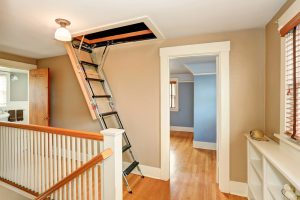
I need to get into the attic, crawl space, and electrical panel. I need to see the HVAC system, water heater, and any outbuildings or sheds that are part of the property.
Sometimes I show up and find:
- Attic access blocked by furniture or storage
- Crawl space entrance hidden behind boxes in the garage
- Electrical panel in a locked room
- Aggressive pets in the yard (more on that below)
Your agent should coordinate with the seller to make sure everything is accessible. If something’s locked or blocked, I’ll note it in the report but I can’t inspect what I can’t reach.
The Pets Situation
I love dogs. I have a dog. But I’ve been charged at, barked at, and cornered by dogs (and even a few cats) who are just “protecting their territory.” Even friendly pets can make it hard to do my job if they’re following me around constantly or getting underfoot while I’m on a ladder.
If the seller has dogs or cats that will be at the home during the inspection, just give me a heads up. I’ve worked around plenty of pets, but it helps to know in advance so I can coordinate with your agent about keeping them secured in one area while I’m working.
Don’t Expect Perfection (Especially in Older Homes)

Here’s something I tell every first-time buyer: I’m going to find issues. That’s literally my job.
An inspection report isn’t a pass/fail grade for the house. It’s a detailed snapshot of the home’s current condition. Even brand new homes have items that need attention.
Older homes especially will have things that don’t meet current building codes. That doesn’t mean the house is bad or dangerous. Building codes change over time. A home built in 1960 was built to 1960 standards, not 2025 standards.
What matters is understanding which issues are safety concerns, which are expensive repairs, and which are just normal maintenance items. I’ll help you prioritize during our walkthrough, and I’m always available by phone after you’ve had time to read the full report.
Come with Questions
Before the inspection, walk through the home again if you can. Make a list of anything you’re curious or concerned about:
- That stain on the ceiling
- The crack in the foundation
- The weird smell in the basement
- How old the roof looks
- Whether that’s mold in the bathroom
Bring your list. I’ll investigate everything you point out. If it’s something I was already planning to check, great. If it’s something I might have missed, even better – I’d rather know about your concerns upfront.
There are no stupid questions. You’re about to spend hundreds of thousands of dollars on this home. Ask me anything.
What to Bring
Keep it simple:
- Notepad or phone for taking notes during the walkthrough
- Questions list (see above)
- Comfortable shoes – we’ll be walking around a lot, including outside
You don’t need tools, special equipment, or a hard hat. Just show up ready to learn about your potential new home.
After the Inspection
You’ll get the full report within 24 hours. It’ll include photos, detailed descriptions, and my recommendations for each issue I found.
Don’t panic when you see how long the report is. Again – I’m documenting everything, including minor items. Read the summary section first. That’s where I’ll call out the important stuff.
And then call me. Seriously. I’d rather spend 20 minutes on the phone explaining something in plain language than have you stress about it or misunderstand what I wrote. That’s part of the service.
The Bottom Line
Your job is simple: show up, ask questions if you have them, and pay attention during the walkthrough.
My job is to systematically evaluate every accessible system in the home and explain what I find in plain language. I’ve done this hundreds of times – you don’t need to know what to look for or what questions to ask. I’ll cover it all.
That said, there are some things I legally can’t do during an inspection. I can’t:
- Move furniture or stored items to access areas
- Operate systems that are shut off or disconnected
- Inspect anything that’s not safely accessible
- Dismantle equipment or remove covers that require tools
- Determine if repairs meet building codes (that’s the building inspector’s job)
If I can’t inspect something, I’ll note it in the report and explain why. It doesn’t mean there’s a problem – it just means that area wasn’t accessible or testable on inspection day.
Come prepared to learn about your potential new home, and I’ll make sure you understand what you’re buying.